The Tulpar was already in trouble before you even arrived.
No one on board is in a sound state of mind. Curly lies motionless. Jimmy tries to maintain control, but he’s becoming increasingly disoriented. The others wear the expressions of people who know far more than they’re letting on.
Mouthwashing doesn’t force you to grab a weapon and rush headlong into danger. Instead, it places you in a broken group and lets things happen as they may. And every time you open a door, every time you come back into a room, you know, you get a little more of a sense of what transpired on this ship.
In many horror games, fear comes from what chases you from behind.
In Mouthwashing, the true dread lies in what awaits you at your destination.
For the most part, you’ll spend your time wandering the Tulpar—examining objects, talking to crew members, and figuring out how to reach the next area. It sounds simple, but the more you explore, the more gaps in the ship’s story begin to emerge.
You will frequently find yourself:
It is precisely these details that pull you deeper into the experience.
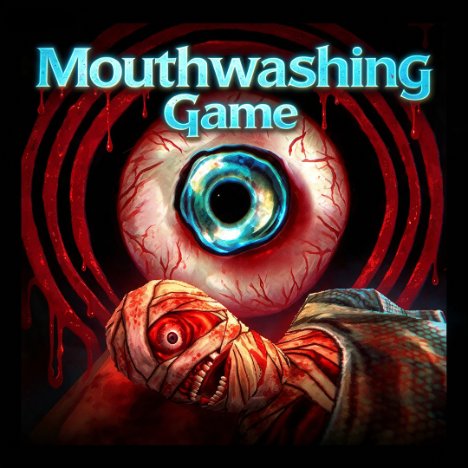
What makes Mouthwashing stand out is its cast of characters.
There isn’t anyone who is a complete “good guy,” and there isn’t anyone who is just there to be a plot device. Every member of the Tulpar crew carries their own burdens—and as resources dwindle, those pressures inevitably collide. This makes many conversations even more intense than the horror sequences themselves. Players aren’t just curious about what will happen next; they also want to uncover who is hiding what.
Mouthwashing does not tell its story in a linear, chronological order.
A little thing that shows up early may not really matter until hours later. Many moments that look simple at first take on a whole different significance after you find out about the events that happened before the catastrophe.
That’s why the game keeps the player’s curiosity all the time. It doesn’t create mystery by withholding information, but rather it invites players to put the pieces together themselves.
No. The story follows a single ending.
Yes. Some details are hidden in optional conversations and environmental objects.
Pay attention to dialogue. Important answers often come from the crew, not the puzzles.