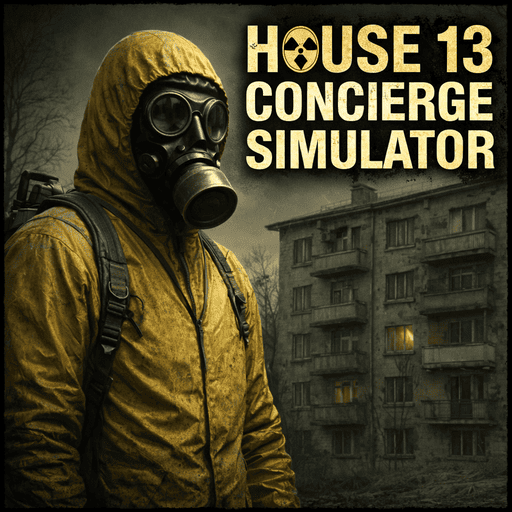
In House 13: Concierge Simulator, you play as a doorman in a Soviet-era apartment block. The job is easy at first, but quickly turns stressful as residents, visitors, and the building itself begin to behave strangely. The game is not about action but about observation, memory, and precise decision-making.
On every shift, you have to check paperwork, check identities, and decide who gets to come into the building. One error can set off new events or change the course of events. You feel the pressure building. You see the records, the cameras, the testimonies no longer add up.
The most appealing aspect of House 13: Concierge Simulator is how the game forces players to pay attention to even the smallest details. You will frequently have to:
The more you play, the more strange things happen. Some events not only change the building, but also directly affect the memories of the protagonist, making it harder to tell what is true and what is false.
Each turn revolves around checking documents before choosing to Let In or Deny. Don't just look at a single piece of information. Compare all the data and utilize surveillance cameras, old records, and news articles to find clues.
The game doesn't require complex operations but maintains a sense of suspense thanks to the continuous decisions and lasting consequences of each choice.
In my first few shifts, I was often fooled by the game because I only paid attention to the paperwork. Some visitors had complete and valid information, so I let them in immediately, only to later discover that the cameras or archived records had warned them. Conversely, there were times I refused a resident because of a small discrepancy, only to realize it was just a change due to an anomaly in the building.
What I liked was that the game didn't answer immediately. You only realize you made a wrong decision when the events that followed started to change. That feeling made me read each inspection more carefully, review the camera footage more, and compare every line of information instead of quickly hitting Let In or Deny.
After some failures, I almost stopped trusting any document at all. Each conversation, every news report, every videotaping could be a vital clue.
House 13: Concierge Simulator is so unique and appealing because of the constant feeling of doubt and the continuous challenging of my observational skills. If you like games that make players reason and learn from their own bad decisions, this is an experience well worth trying.
If you enjoy gameplay involving observation, identity verification, and spotting unusual details, then you shouldn't miss That's Not My Neighbor. Both offer a tense experience where every wrong decision can lead to unpredictable consequences.